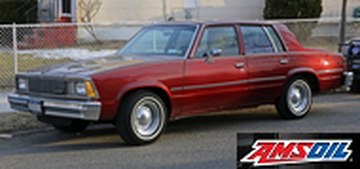
Maintaining Lubrication Standards for the 1981 Chevrolet MALIBU 3.8L
Proper engine care for a vehicle of this era requires a focus on consistent monitoring and adherence to specific fluid requirements. For owners of a 1981 Chevrolet MALIBU equipped with the 3.8L engine, maintaining the lubrication system is a fundamental aspect of long-term mechanical health. Because older engines can exhibit different behaviors regarding fluid retention and cleanliness compared to modern vehicles, a proactive approach to inspection and oil selection is highly beneficial.Monitoring Fluid Integrity and Condition
Regularly checking the condition of your engine oil provides immediate insight into how the engine is operating. When performing a routine check, observe the color and consistency of the lubricant on the dipstick. While some darkening is expected as oil undergoes thermal cycles and collects microscopic debris, extremely dark or gritty oil may indicate that the service interval has been exceeded or that internal contaminants are accumulating. Beyond simple color changes, pay attention to any unusual odors or textures. If the oil appears milky or has a frothy consistency, this can be associated with various internal conditions that warrant professional investigation. Furthermore, monitoring for signs of fluid loss is essential. Even in well-maintained vehicles, small amounts of seepage can occur over time. Inspecting the area around the engine for any evidence of wetness or residue on the block and surrounding components can help identify potential areas of concern before they escalate into more significant issues.Practical Inspection Priorities for Aging Engines
As a vehicle ages, certain components may require more frequent visual assessments to ensure continued reliability. For the 1981 Chevrolet MALIBU, this includes looking at various peripheral systems that support engine operation.- Seals and Gaskets: Inspect accessible gaskets and seals for signs of age-related seepage. While a small amount of "sweating" is not always a cause for immediate alarm, any active dripping or heavy accumulation of residue should be addressed.
- Drive Belts: If equipped, examine the condition of accessible drive belts. Look for evidence of cracking, glazing (a shiny appearance), fraying, or general deterioration of the belt material.
- Hoses and Connections: Check any visible hoses for signs of softening, swelling, or brittleness. Ensure that connections to these hoses remain secure and free from leaks.
- Electrical Integrity: Inspect wiring harnesses and electrical connectors for signs of heat damage, corrosion, or fraying, as these can impact sensor accuracy and overall engine management.
Managing Maintenance Records and Baselines
For many owners of classic or older vehicles, the service history may be incomplete. In such cases, the first priority is establishing a maintenance baseline. This involves performing a thorough inspection of all fluids and mechanical components to determine their current state. Once this baseline is established, every subsequent oil change, filter replacement, or minor repair should be documented meticulously. Keeping a detailed log of when fluids were changed, which products were used, and any observations made during inspections provides invaluable data. This history helps in identifying patterns—such as a gradual increase in lubricant consumption or the emergence of a slow leak—that might otherwise go unnoticed. A well-documented history also adds clarity if the vehicle is ever serviced by a new technician, ensuring they understand the established maintenance standard for that specific engine.Identifying Potential Operational Changes
It is important to remain observant of how the 1981 Chevrolet MALIBU 3.8L behaves during operation. Changes in performance or sound can often be early indicators of lubrication-related issues. For example, if you notice a change in the smoothness of engine operation or hear unusual mechanical noises that were not previously present, these symptoms should be investigated promptly. Note that many different factors can cause similar symptoms; an unusual noise or a change in vibration does not automatically point to a single failed component. However, because lubrication is critical for reducing friction and managing heat, any deviation from the vehicle's normal operating characteristics warrants a professional diagnostic check. Similarly, if you notice increased exhaust smoke or changes in how the engine responds under load, these are valid reasons to inspect the lubrication and combustion environments.Prioritizing Service Tasks Based on Condition
Effective maintenance is not about replacing every part regardless of its state; rather, it is about prioritizing tasks based on the actual condition of the vehicle. For an older Malibu, this means distinguishing between preventive maintenance (like scheduled oil changes) and corrective maintenance (addressing an active leak or a worn belt). If you are working with a vehicle where the previous service history is unknown, prioritize addressing any active warning signs or visible leaks first. Once the engine is stabilized and running within its expected parameters, you can focus on long-term preventive measures. This condition-based approach ensures that resources are directed toward the most critical needs of the 3.8L engine, maintaining its operational integrity without unnecessary expenditures.Buying Engine Oil for your 1981 Chevrolet MALIBU 3.8L
When it is time to replenish your engine's lubricant, the most important step is ensuring the product matches the specific requirements of your application. Do not rely on general automotive knowledge or assumptions based on the vehicle's age to select a grade. Instead, match the engine oil to the application-specific viscosity information already displayed on this page. When shopping for products, consider the following:- Verify Labeling: Always check the product packaging to ensure it meets the necessary API certifications and matches the viscosity requirements listed in your vehicle's documentation.
- Formulation Options: Depending on your specific needs and the current condition of your engine, you may choose between conventional, synthetic blend, or full synthetic oils. Some high-mileage oil formulations also contain additives intended for use in aging engines, including seal-conditioning additives.
- Quality Assurance: Ensure the oil is stored in a sealed container and has not been exposed to extreme temperature fluctuations or contaminants before purchase.